What to Expect During an Engagement Ring Inspection
Why a Routine Ring Inspection Matters
An engagement ring is worn every day, exposed to bumps, hand creams, and the occasional hard knock. Over time, even a well-made setting can develop small issues that, left unchecked, could lead to a lost stone or a broken shank. A professional inspection catches those problems early, when they are easy and inexpensive to fix. For anyone who owns a diamond ring from Zales or any other jeweler, understanding what happens during an inspection helps you get the most out of the service and keep your ring secure for years.
Many jewelers recommend bringing your ring in for a checkup every six months. That interval works well because the wear on prongs and the buildup of dirt happen gradually. A six month inspection is a sensible habit that costs nothing at most stores and can save you from a much larger repair bill later. But not everyone knows what the jeweler actually looks at, or what questions to ask while the ring is on the bench. This article walks through the typical steps of an engagement ring inspection so you know exactly what is happening and what to watch for.
The Initial Visual Check
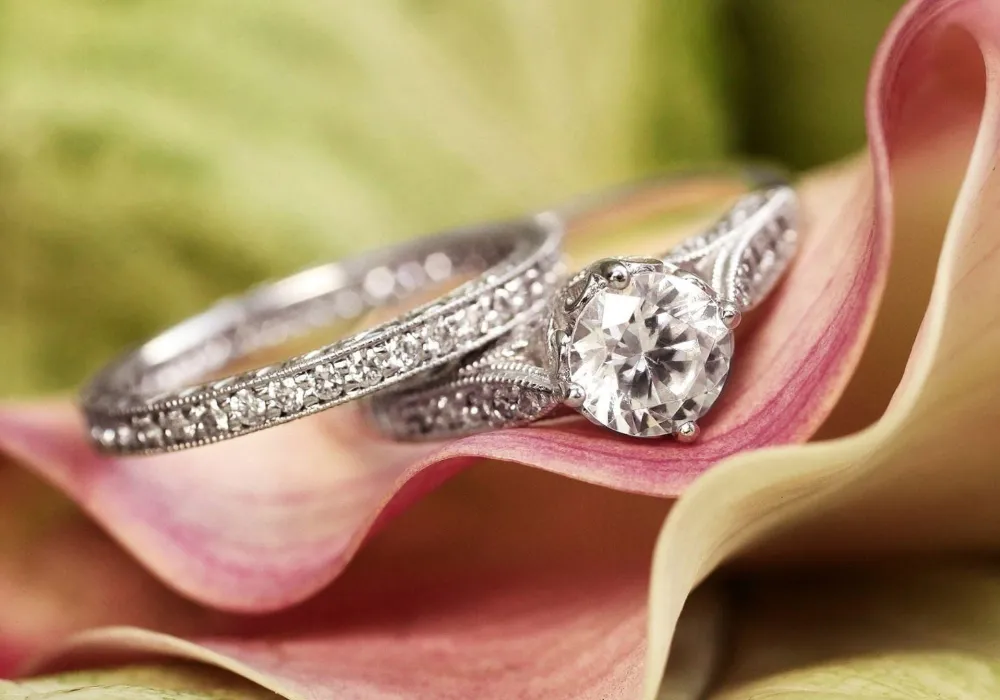
The first thing a jeweler does is examine the ring with a loupe, a small magnifying lens that gives a close-up view of the setting. They look at each prong from multiple angles, checking for wear, thinning, or slight lifting. A prong that has worn down to a sharp edge can no longer hold a diamond securely, and a single sharp knock might pop the stone out. The jeweler will also inspect the gallery, the area under the center stone, for any metal fatigue or cracks. This stage is quick but thorough, and it sets the direction for the rest of the inspection.
One common finding during this check is stone loss, which sounds alarming but usually just means a small side stone has shifted slightly or a pave stone is missing. If the ring has melee diamonds along the band, the jeweler counts them to confirm none are gone. They also look for diamond chipping, especially on the girdle of the center stone or on the facet junctions of smaller diamonds. A chip can happen when the ring hits a hard surface, and it is often invisible to the naked eye. Catching it early lets you decide whether to have the stone repolished or replaced before the chip grows.

Checking the Setting and Prongs
After the visual scan, the jeweler moves to a more tactile inspection. They gently press on each prong with a metal tool to see if it moves. Prongs should feel firm and springy. If a prong bends easily, it has lost its grip and needs retipping, a process where the jeweler adds new metal to the prong tip and reshapes it around the diamond. Prong wear is the most common reason for a repair, and it happens slowly as the metal rubs against clothing, hand towels, and everyday objects. A ring that is worn every day will show noticeable prong wear after a year or two, depending on the metal. Platinum wears differently than gold, and the jeweler will note the condition of each prong individually.
The shank, or the band of the ring, also gets a careful look. Thin spots can develop where the ring rubs against a wedding band or where it has been resized. The jeweler runs a finger along the inside of the shank to feel for rough patches or sharp edges that might indicate thinning. If the ring has a tension setting, the jeweler checks that the diamond is still locked in place by the pressure of the metal, not by prongs. Tension settings require a different inspection method, and not every jeweler is trained to service them, so it pays to ask ahead if your ring uses that design.
Cleaning and Its Role in the Inspection
Before the inspection finishes, most jewelers will clean the ring thoroughly. Ring cleaning is not just cosmetic. Dirt and oil can hide small problems. A ring that looks clean to the eye may still have grime lodged under the stone or in the crevices of the setting. The jeweler uses an ultrasonic cleaner, a steamer, or a gentle brush to remove buildup. Once the ring is clean, they inspect it again under the loupe because a dirty surface can mask a hairline crack or a loose stone.
This is also a good moment to ask the jeweler about the best way to clean your ring at home. Some people use ultrasonic cleaners daily, which can loosen stones over time. Others rely on a soft toothbrush and mild soap, which is gentler. The jeweler can tell you what works for your specific metal and stone type. A clean ring sparkles more, but it also lets you see the true condition of the metal and the diamonds. Many owners are surprised by how much brighter their ring looks after a professional cleaning, and that renewed brilliance often reveals details they had not noticed before.
What the Inspection Does Not Cover
An inspection is not a full appraisal. The jeweler will look for structural problems, but they usually do not reassess the value of the ring or the diamond. If you need an updated value for insurance purposes, you need a separate insurance appraisal. An appraisal involves measuring the diamond, checking its color and clarity grade, and comparing it to current market prices. Inspections are about safety and condition, not value. Some jewelers offer a combined service, but it is best to ask specifically for an appraisal if that is what you need.
Similarly, the inspection does not include a review of your warranty or trade in credit unless you ask. If you bought your ring from Zales and are considering a future upgrade, you can mention that during the visit. The jeweler can note your ring's details and explain how the trade in program works. But the inspection itself is focused on the physical condition of the ring, not on the paperwork or the purchase history. Bring your proof of purchase if you want the jeweler to verify the ring's details against the original receipt, but it is not required for the inspection.
What You Should Do During the Visit
You can watch the inspection from the counter if you like. Most jewelers are happy to show you what they see through the loupe and explain what each check means. Ask questions. If they point out a worn prong, ask how much metal is left and whether it needs immediate repair or can wait a few months. A good jeweler will give you a clear answer without pressure. You should also ask about the estimated cost of any recommended repairs before they start work. Some repairs, like retipping a single prong, are quick and inexpensive. Others, like replacing a damaged head or tightening a loose pave setting, take more time and skill.
If the jeweler finds a loose stone, they can often tighten it on the spot during the inspection. That is one of the main benefits of going regularly. Small adjustments keep the ring secure without the need for a full repair. If they find diamond chipping, they will tell you how serious it is. A small chip on the girdle may not affect the stone's durability, but a chip on a corner of a princess-cut diamond can weaken the whole stone. In that case, you might want to have the stone re-cut or replaced. The jeweler can advise based on the size and location of the chip.
Many couples treat the inspection visit as a small ritual. It is a chance to see the ring up close under bright light and remember the day it was given. The stories behind these rings are personal and meaningful. They are, in a sense, Captivating Love Stories that begin with a proposal and continue through every anniversary and milestone. Keeping the ring in good condition helps preserve that story, and a regular inspection is one of the simplest ways to do it.
After the Inspection
Once the inspection is done, the jeweler will hand the ring back clean and secure. They may give you a written summary of their findings, especially if any issues were noted. Keep that record with your ring's paperwork. Over time, these summaries build a history of the ring's condition that can be useful for insurance claims or if you ever decide to sell the ring. Some jewelers offer a digital record, but a simple printed note works just as well.
If no problems were found, you walk away with peace of mind. If minor issues were spotted, you have a clear plan for what to do next. Either way, you have taken a smart step in caring for something that matters. Engagement rings are more than jewelry. They are symbols of commitment and shared memories. Every ring holds its own Captivating Love Stories, and a routine inspection ensures those stories are not interrupted by a preventable accident.
Set a reminder on your phone for six months from now. Make it a habit, and your ring will stay as beautiful and secure as the day it was first slipped onto your finger.